
Our aims and the challenges we’re facing…
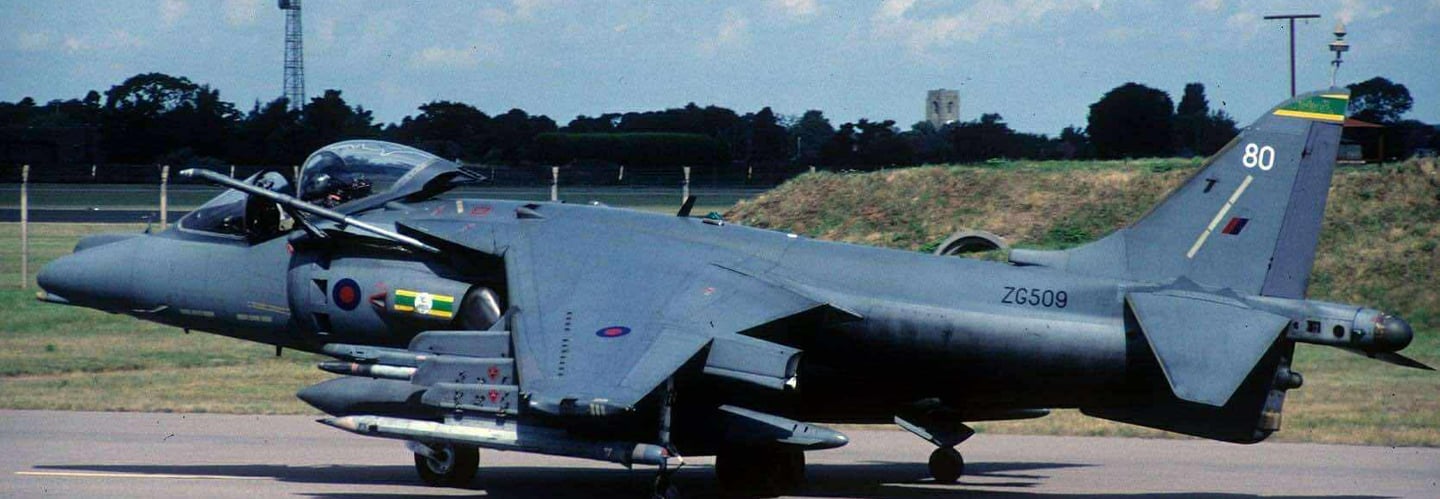
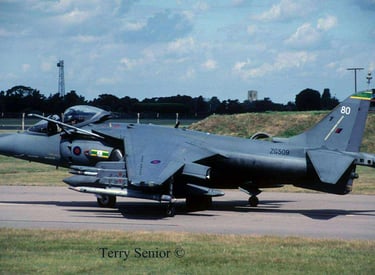
Our mission is to bring one of the UK's last surviving Harrier GR7 aircraft back to life, running and taxiing once again. Sounds easy, doesn’t it? Well, if we had access to all the spare parts we need, in essence it would be relatively straightforward for our team of nearly 50 ex-Harrier qualified engineers to do so. However, we don’t have access to those parts, nor are we likely to in the future because many of them don’t exist anymore, so the challenge will be to engineer successful alternatives to make this happen. Not an impossible task, and it’s one that the team can’t wait to get to grips with. We can’t fly ZG509 again for reasons of airworthiness and safety, primarily because we can’t use 100% original parts, but that enables the considerable ‘out of the box thinking’ required. In order to grapple with these alternative engineering solutions, we will also be reaching out as part of our STEM programme, offering a unique opportunity for our future aviation industry professionals to get involved.
The Project
STEM Outreach
We will be engaging with schools, colleges and aviation apprentice schemes, offering the opportunity to get involved with the project. We already know that we need a number of airframe parts to be fabricated, the electrical system needs a bespoke power distribution framework to be designed and built, and the hydraulic system needs to be modified since we do not intend to utilise all of it, and these are just a few examples of where we will be asking for support, both from the education and industry sectors. If you think that your apprentices would benefit from fabricating an airbrake, please let us know. Likewise, if your budding electronic engineering students would enjoy getting to grips with making the digital engine control system talk to the cockpit engine instruments, drop us a line. These are the sort of problems we already know about, and there are many more different and varied challenges within this project that we will require help with from a practical perspective.
The Major Challenges
Engine
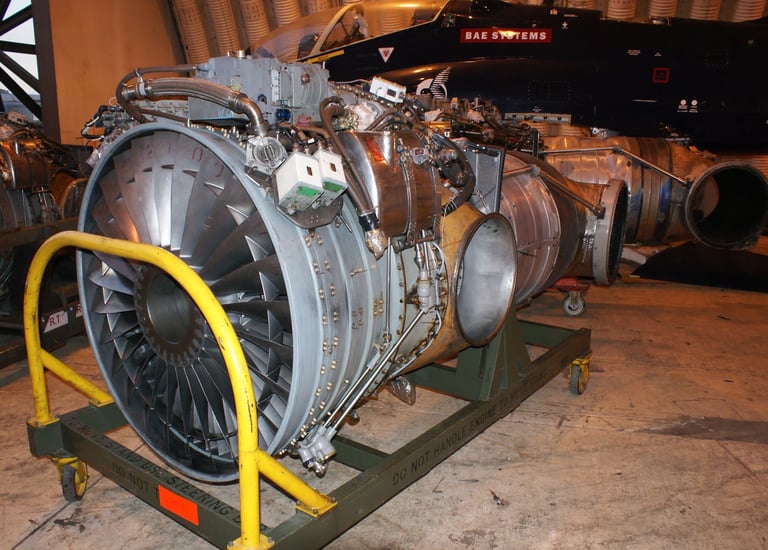
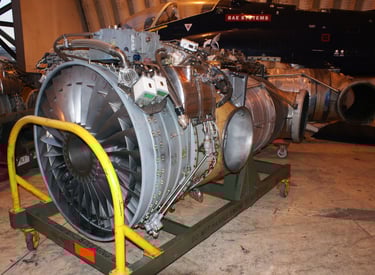
ZG509 is fitted with a Rolls-Royce Pegasus Mk105 engine, and this is the heart of the aircraft. The engine was fully serviced prior to disposal by the RAF, and we have all the supporting documentation from its service history. We intend to strip the ancillary gearbox, as well as the engine as far as we can, in order to fully inspect all key components prior to running the engine. We do not intend to run the engine up to its maximum design limitations since in order to taxi the aircraft there is no need to generate those levels of thrust, and we will be setting our own normal operating limitations accordingly.
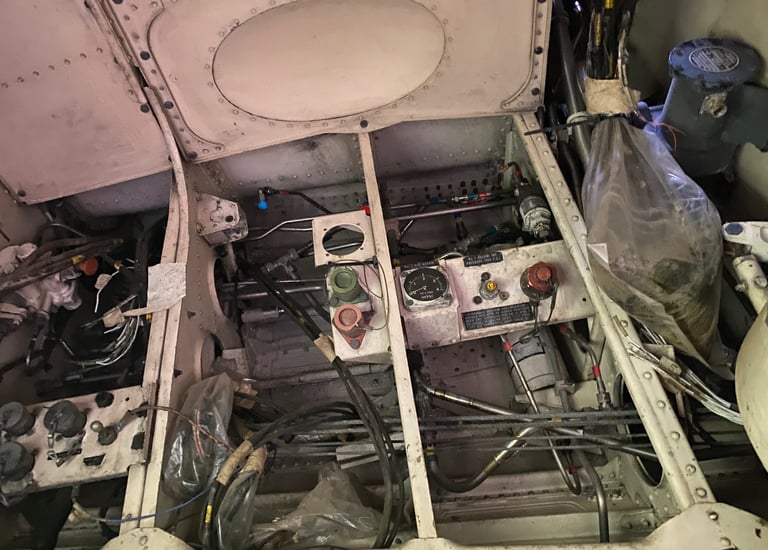
Hydraulics, Electrics and Fuel
We are very fortunate that ZG509 retained a vast amount of electrical looms, hydraulic pipework and ancillary components, fuel pipes, pumps, fuel tanks, and a host of other system components prior to disposal by the UK Ministry of Defence. It is due to this that we know we can restore all of the systems to partial functionality, certainly enough for the project to succeed.
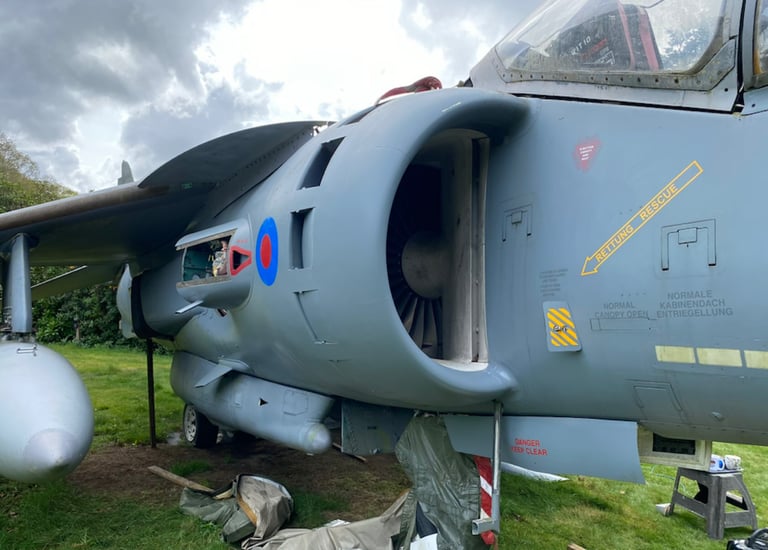
Exterior Airframe
Like the interior of the airframe, most of the exterior of ZG509 is in very good condition despite being stored outside for a number of years. The top surface of the wing and the tailplane are in need of some cosmetic repair, but nothing our airframe technicians haven’t done before during their military service.
The Cockpit
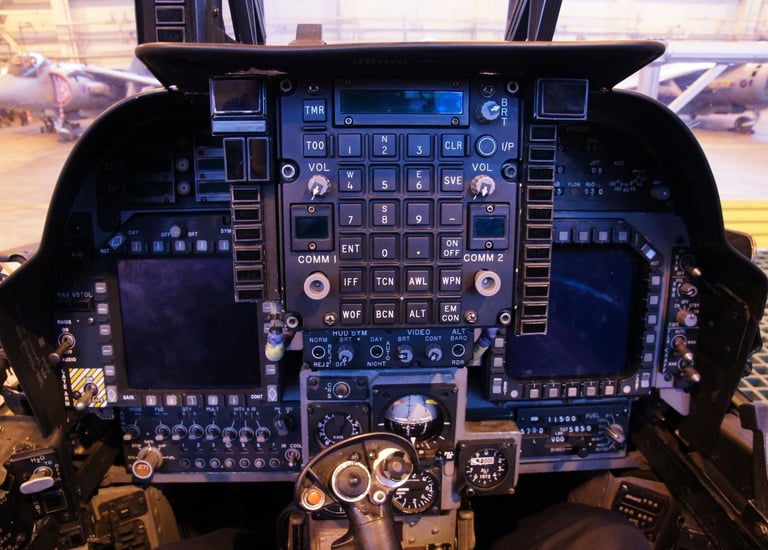
Unfortunately the cockpit (not the one shown above!) is the part of the airframe that has suffered the most from being exposed to the elements. That said, nearly all of the ‘secondary’ instruments are present that will enable monitoring of the engine, hydraulic system, fuel system and electrical parameters once those systems are live again. The cockpit will be subjected to a major restoration, with maximum functionality of both interior and exterior lighting, the aircraft braking system, nose wheel steering, the engine fuel controls and nozzles - and ideally the wing flaps for demonstration purposes - being the prime focus. ZG509 will also be retro-fitted with VHF radio communication to enable airfield operations.
Contact
We are contactable through a number of different social media platforms in addition to email, plus you can follow the project in near-real time there
© 2025. All rights reserved.